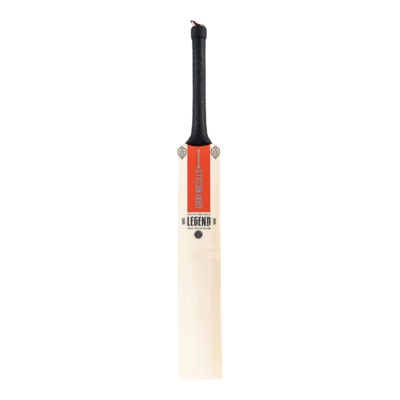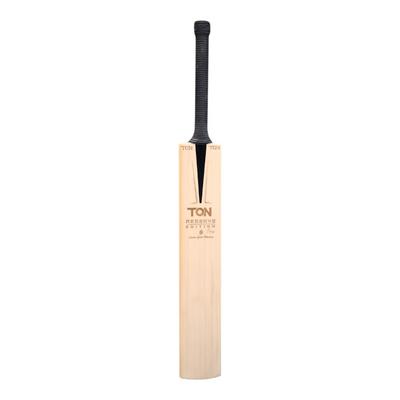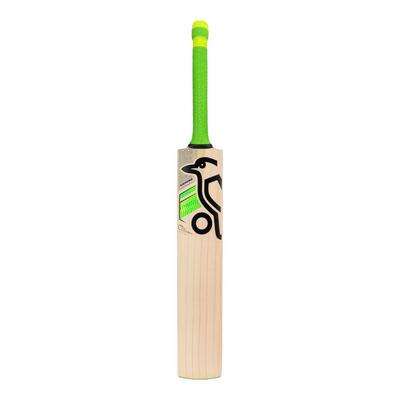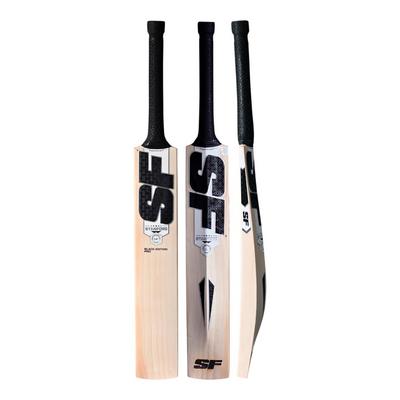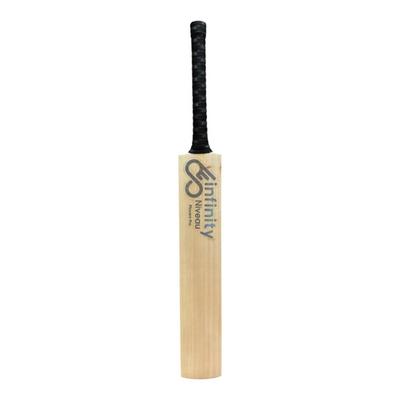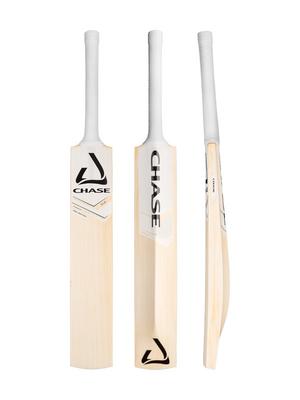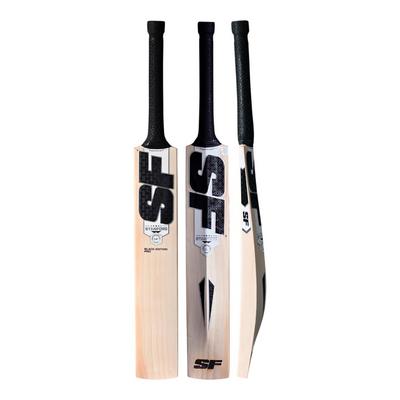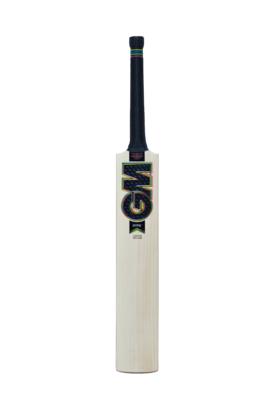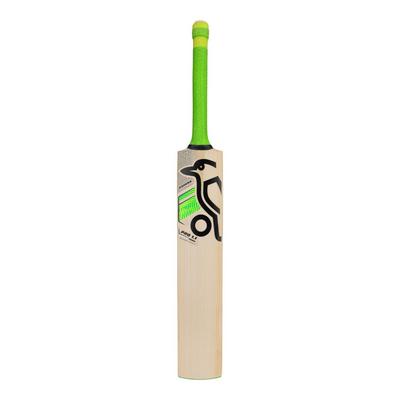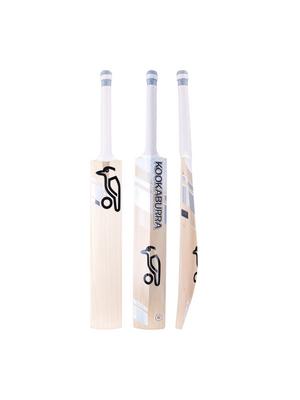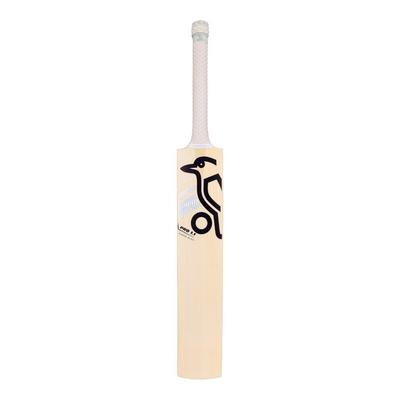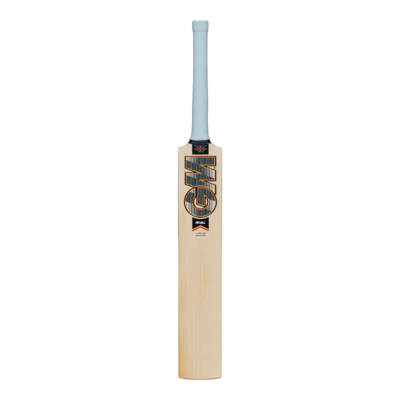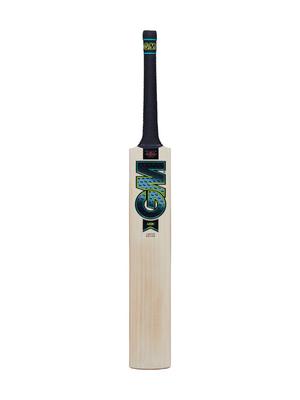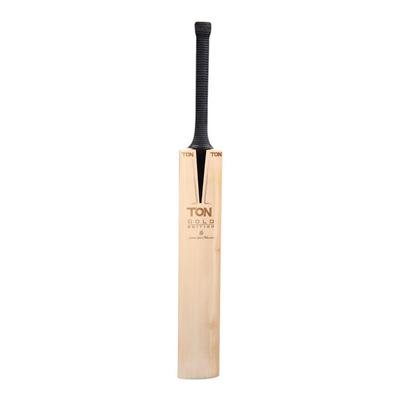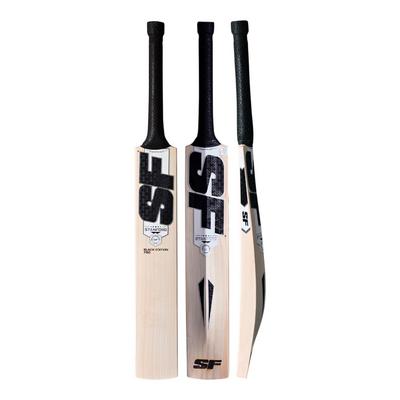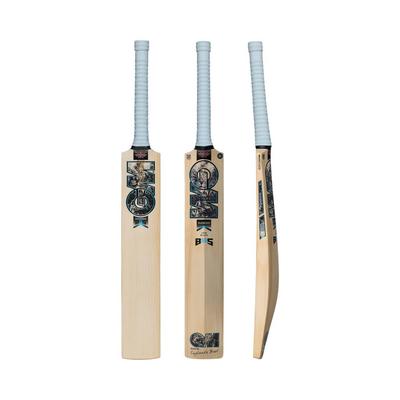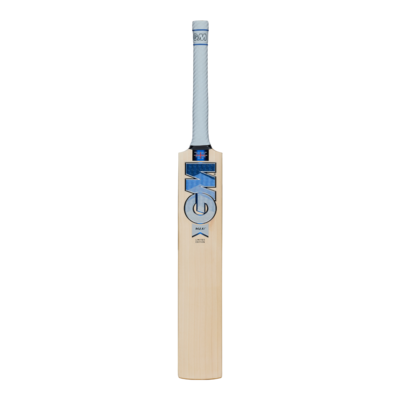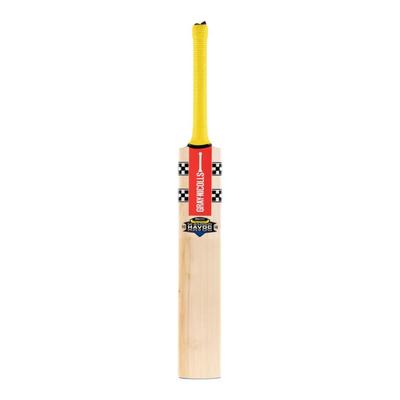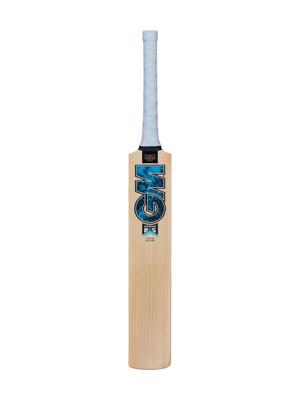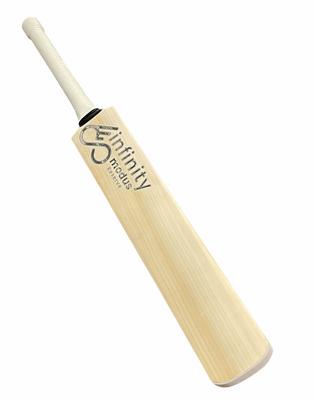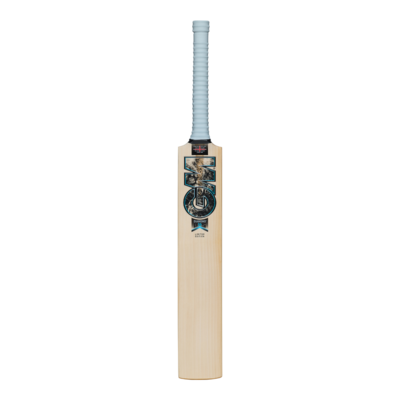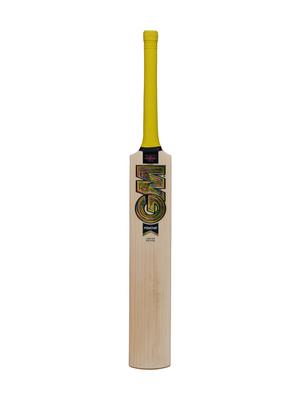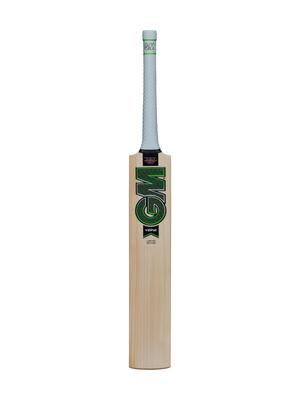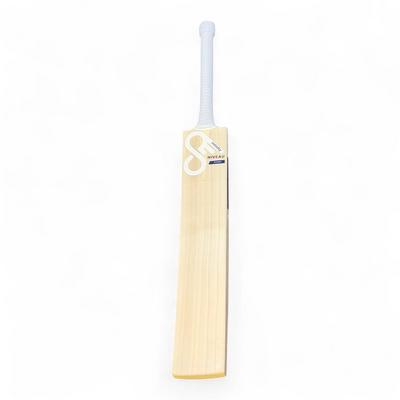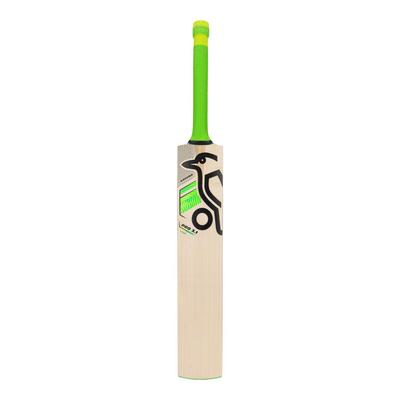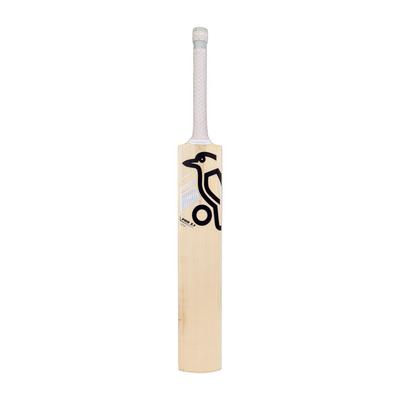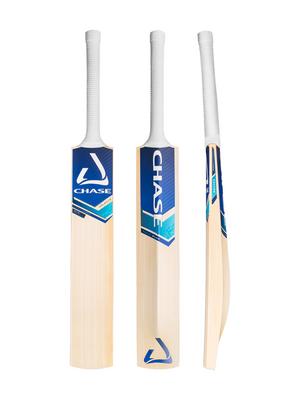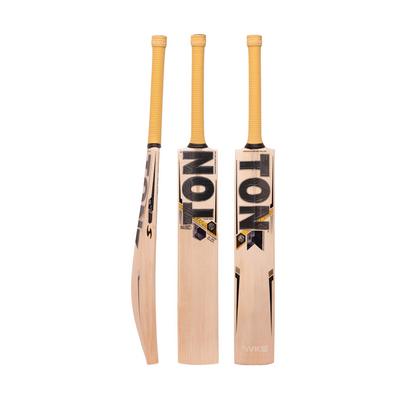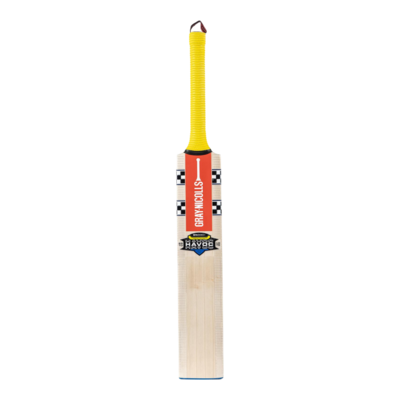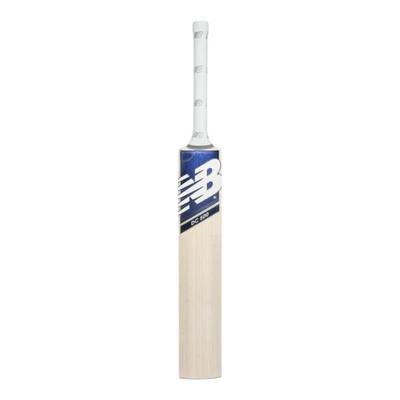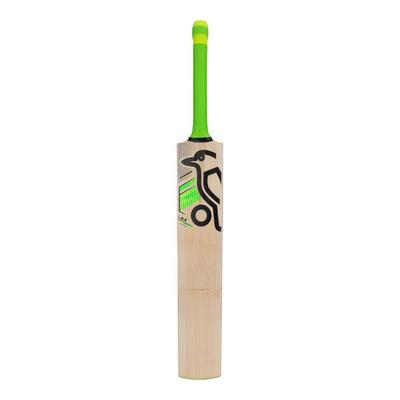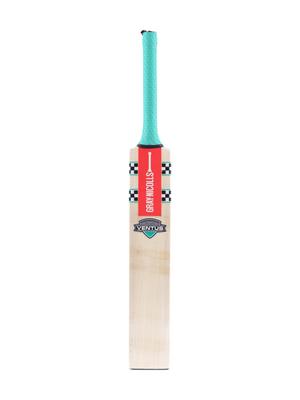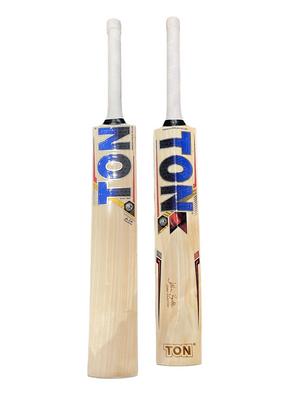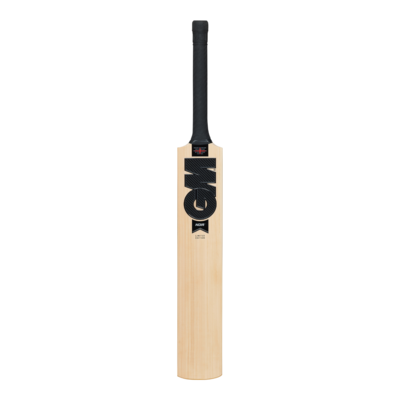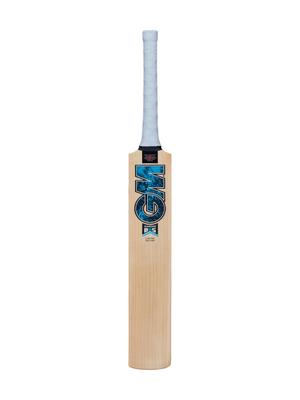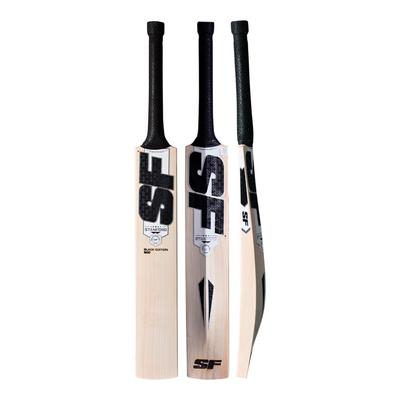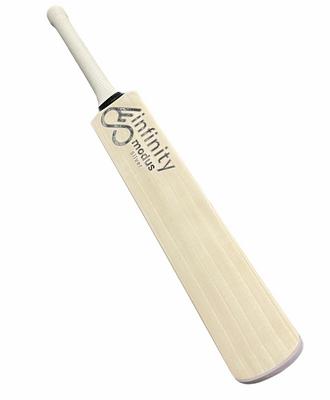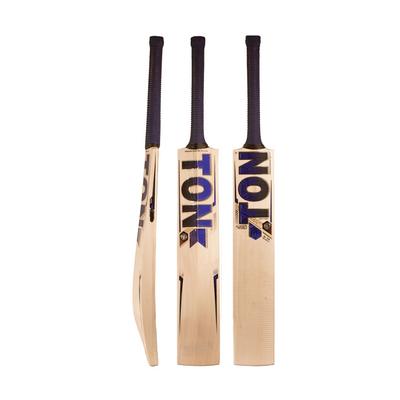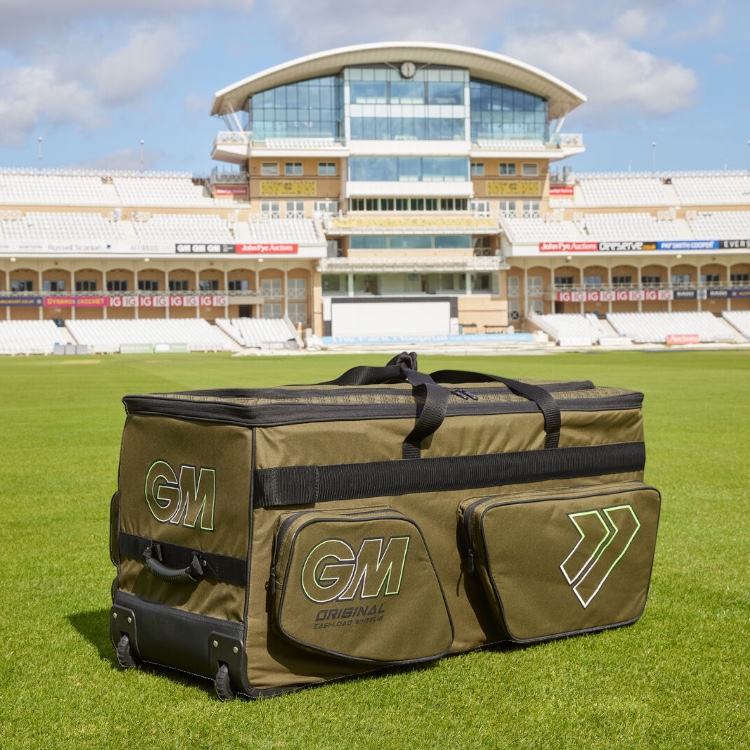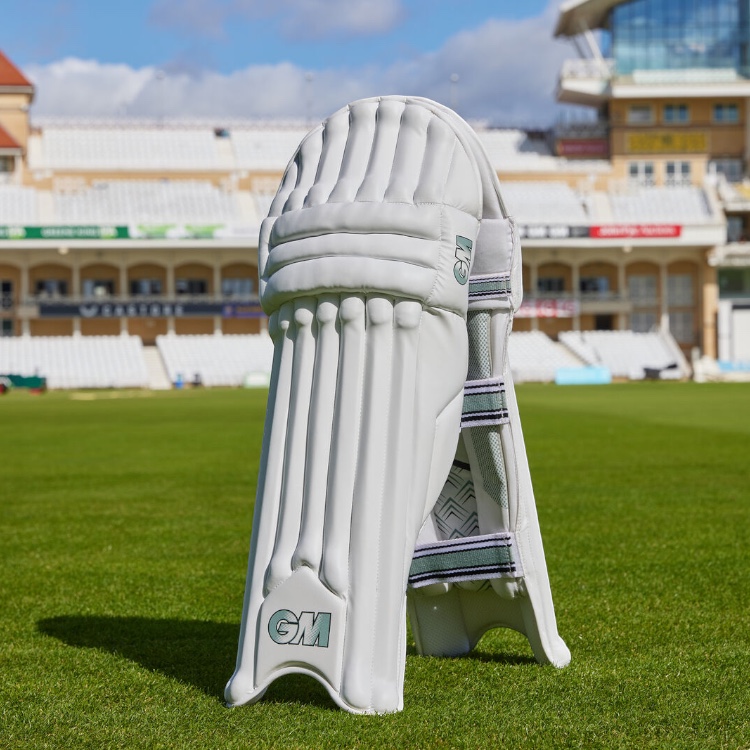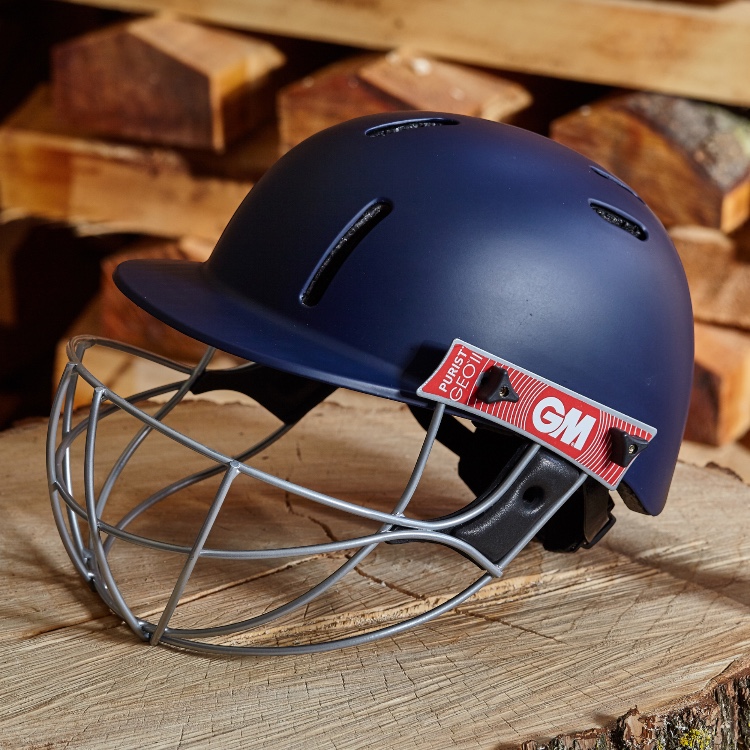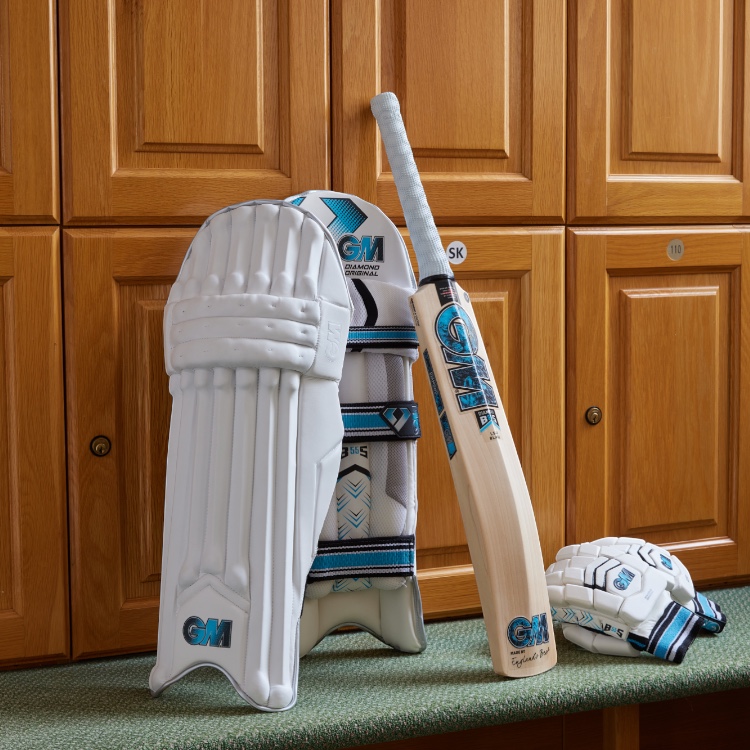






English willow junior cricket bats are made for young players who have moved on to hard-ball cricket at club, school or county level. VKS stocks junior English willow bats from Gray-Nicolls, Gunn & Moore (GM), Kookaburra, New Balance, SS TON, Chase, SF and Infinity, in every junior size from Size 0 to Harrow and Small Adult. Get free sizing advice in our Ealing store, and free UK delivery on orders over £100.
An English willow bat is the right choice once your child plays regularly with a hard leather cricket ball. That usually means junior club cricket, school matches or county age-group squads, often from around age 8 or 9 upwards.
Hard-ball cricket: Built to face a hard leather ball in club, school and county matches.
Lighter and springier: English willow is lighter than Kashmir willow, so the ball comes off the bat faster and young players control it more easily.
Builds confidence: A well-balanced bat helps with timing and shot selection, so juniors play with more confidence at the crease.
Still a beginner? If your child mostly plays in the garden or with a soft ball or windball, a Kashmir willow bat is better value until they join a club.
English willow is graded from Grade 1 (the best) down to Grade 4. The grade is judged mainly on the look of the wood: the number of straight grains, how even they are, and how many marks or blemishes there are. Higher grades cost more.
Grade 1: Clean face with straight, even grains and very few marks. Best for county and representative players.
Grade 2: Mostly clean, with a few small marks or uneven grains. Best for keen club players who play every week.
Grade 3: More marks and wider grains, but still a proper hard-ball bat. Best for regular club and school cricket.
Grade 4: Visible marks and blemishes, often at a lower price. A good first English willow bat for a new hard-ball player.
For most juniors, getting the right size and weight matters far more than the grade. A child grows out of a bat every season or two, so a mid-grade bat in the correct size is often the smartest buy.
Choose the bat size by your child's height and strength, not age alone. Stand the bat upright next to your child. The top of the handle should reach their hip bone or the top of their thigh.
| Bat size | Typical age |
|---|---|
| Size 0 to 2 | 5 to 7 years |
| Size 3 to 4 | 8 to 9 years |
| Size 5 to 6 | 10 to 11 years |
| Harrow and Small Adult | 12 to 15 years |
Check the weight too. Ask your child to hold the bat out in their top hand, arm straight at shoulder height. If they struggle to hold it steady for a few seconds, the bat is too heavy. A bat that is too big or too heavy slows the swing and can build bad habits. For more help, see our junior cricket bat size guide.
Yes, a new English willow bat needs knocking in before it is used against a hard ball. Knocking in compresses the fibres in the face and edges so the willow is less likely to crack.
How long it takes: Most manufacturers recommend around 4 to 6 hours with a bat mallet, followed by a few net sessions with old balls.
Pre-prepared bats: Some junior bats come pre-prepared from the factory, but they still benefit from some extra knocking in.
Short of time? Our bat knocking-in and repair service can do it for you.
Protect the bat: Fit a toe guard and an anti-scuff sheet, and keep the bat away from damp and heat.
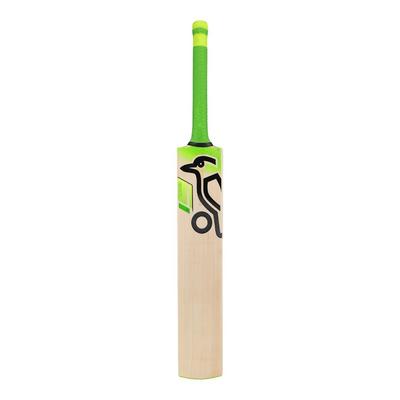
Kookaburra Ghost 1.1 Junior: A top-grade junior bat for strong club and county players.
GM Hypa DXM Original Junior: A premium Gunn & Moore bat in Size 5, Size 6 and Harrow.
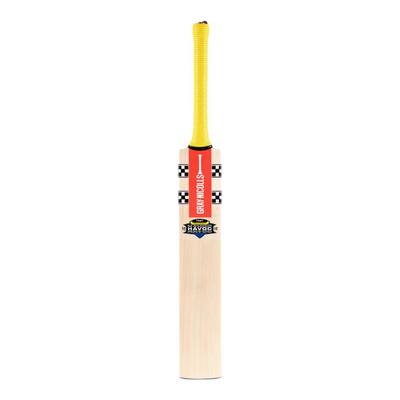
Gray-Nicolls Havoc HB317 GN550 Junior: A mid-range bat with a big profile and plenty of power.
GM Diamond DXM 606 Junior: A dependable mid-range bat for regular club cricket.
New Balance DC 500 Junior: Good value for a young player's first proper hard-ball bat.
Still deciding on willow? Compare the full range of junior cricket bats, or see our Kashmir willow junior cricket bats for beginners and soft-ball cricket.
What is the difference between English willow and Kashmir willow junior bats?
English willow is lighter, softer and more responsive, so the ball travels further off the bat. It is made for hard-ball cricket. Kashmir willow is harder and heavier for its size, cheaper, and best for beginners and soft-ball cricket.
At what age should my child get an English willow bat?
There is no fixed age. Move to English willow when your child starts playing regularly with a hard cricket ball, which for many children is around age 8 or 9 when they join a club.
Which grade of English willow is best for a junior?
Grade 3 or Grade 4 suits most new club players. Keen club cricketers often choose Grade 2, and county or representative players usually choose Grade 1. Size and weight matter more than grade for most juniors.
Does a junior English willow bat need knocking in?
Yes. Allow around 4 to 6 hours of knocking in with a mallet before facing a hard ball, even if the bat says it is pre-prepared. VKS also offers a knocking-in service.
Can you use an English willow bat with a soft ball or tennis ball?
Yes, you can, and it will not harm the bat. A soft ball does not need the bat to be knocked in, but an English willow bat costs more, so many families keep a cheaper Kashmir willow bat for garden cricket.
Can I try junior English willow bats before buying?
Yes. Visit VKS at 31 Bond Street, Ealing, London W5 5AS, and our staff will help your child find the right size and weight.