





Your child has caught the cricket bug. Now comes the question every parent faces: what kit do they actually need, what size should I buy, and how much should I spend? The good news is it is simpler than it looks — and you do not need to spend a fortune to get started.
This guide answers every question parents ask us at the VKS store in Ealing, where we have been fitting junior cricketers with the right gear for over 50 years. We cover exactly what your child needs at each stage, how to size everything correctly, what to prioritise for safety, and the honest truth about budgets.
The short answer: what does a junior cricketer need?
- Soft-ball stage (ages 5–8): just a bat. No protective gear needed.
- Moving into hardball (ages 8+): bat, pads, gloves, and a BSI-certified helmet with neck guard — mandatory.
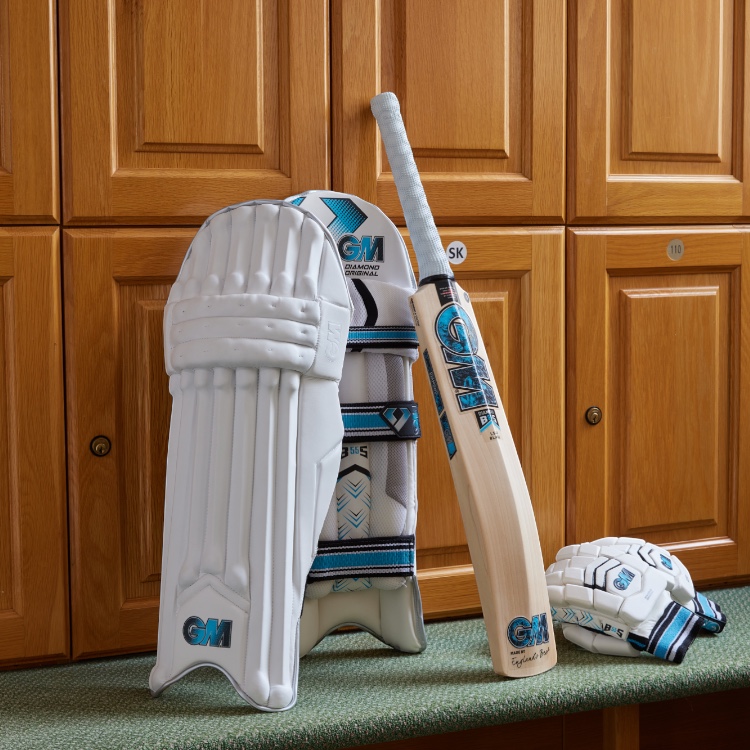
- Full club cricket kit: bat + bag + pads + gloves + helmet + box + shoes + whites.
- Starting budget: £60–£100 for a bat and basics. Full kit: £150–£250.
Stage 1: Starting out (ages 5–8) — less kit than you think
If your child is just beginning — joining an ECB All Stars or Dynamos cricket session, or playing at school with a soft ball — they barely need any kit at all. Soft-ball cricket is designed so children can start playing without protective equipment. The only thing they genuinely want at this stage is a bat.
That first bat does not need to be expensive. A Size 1 or 2 Kashmir willow junior bat from Gray-Nicolls, Kookaburra or GM will do perfectly for £25–£45. The most important thing for a young child is that it looks like the bat their heroes use.
VKS Tip: Do not buy a full kit bag at age 5. A bat and enthusiasm is all you need. Come into the store and we will pick the right size in five minutes, completely free, no pressure to buy anything else.
Stage 2: Moving into hardball cricket — the full kit checklist
Once your child starts playing with a leather cricket ball — usually from around age 8–9 when they join a club junior section — protective equipment becomes essential. The ECB mandates that all junior batters facing pace bowling must wear a helmet with a neck guard. This is non-negotiable.
| Item | Priority | Why it matters |
|---|---|---|
| Cricket bat | Essential | Correct size matters more than brand or price |
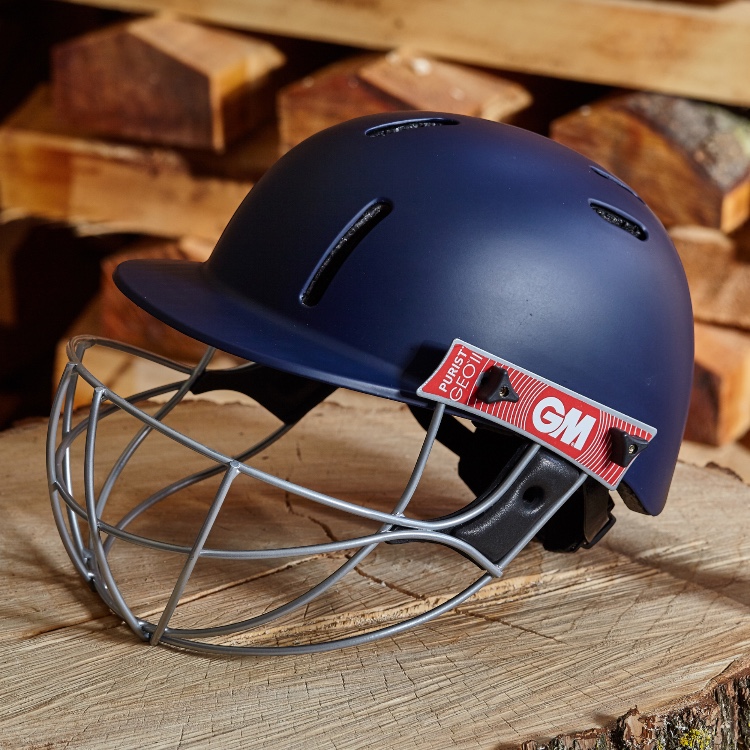
| Cricket helmet (BSI certified) | Essential — mandatory | ECB requires BS/PAS certified helmet with neck guard for all juniors facing pace bowling |
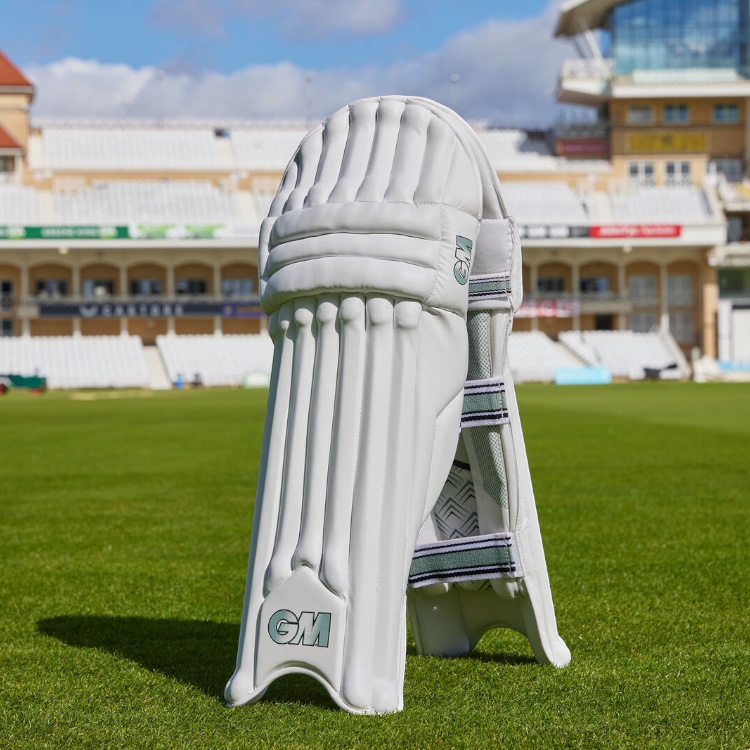
| Batting pads | Essential | Leg protection from knee to ankle. A ball to an unprotected shin is a serious injury |
| Batting gloves | Essential | Knuckles are the most common junior injury site |
| Abdo guard / box | Essential for boys | Non-negotiable. Buy before the first hardball session |
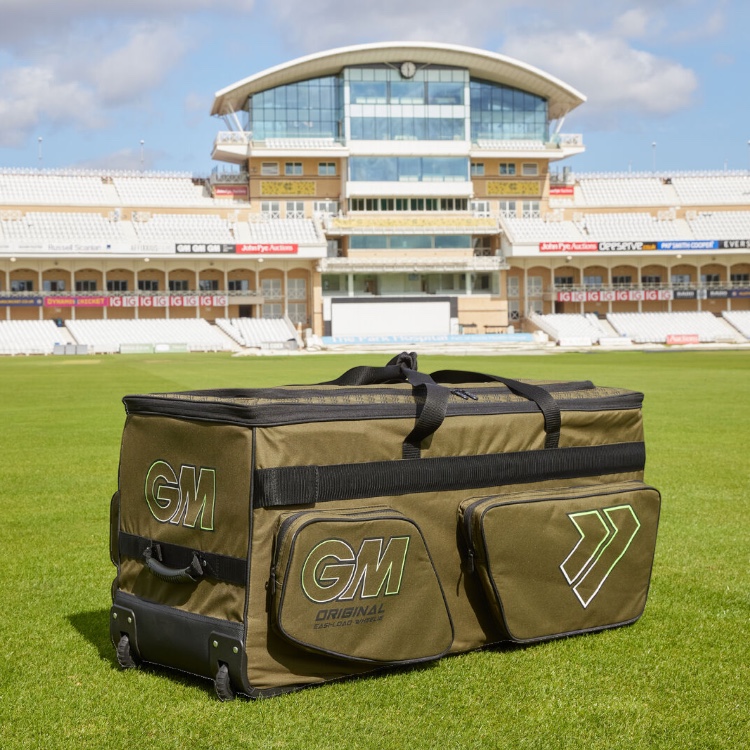
| Cricket bag | Highly recommended | Keeps everything together, builds good kit habits |
| Cricket shoes | Recommended | Grip on wet grass. Rubber soles are fine for juniors to start |
| Thigh guard | Optional at first | Worth adding as they face faster bowling |
| Cricket whites | Club requirement | Check with the club before buying |
Junior cricket bat size guide: the definitive chart by age and height
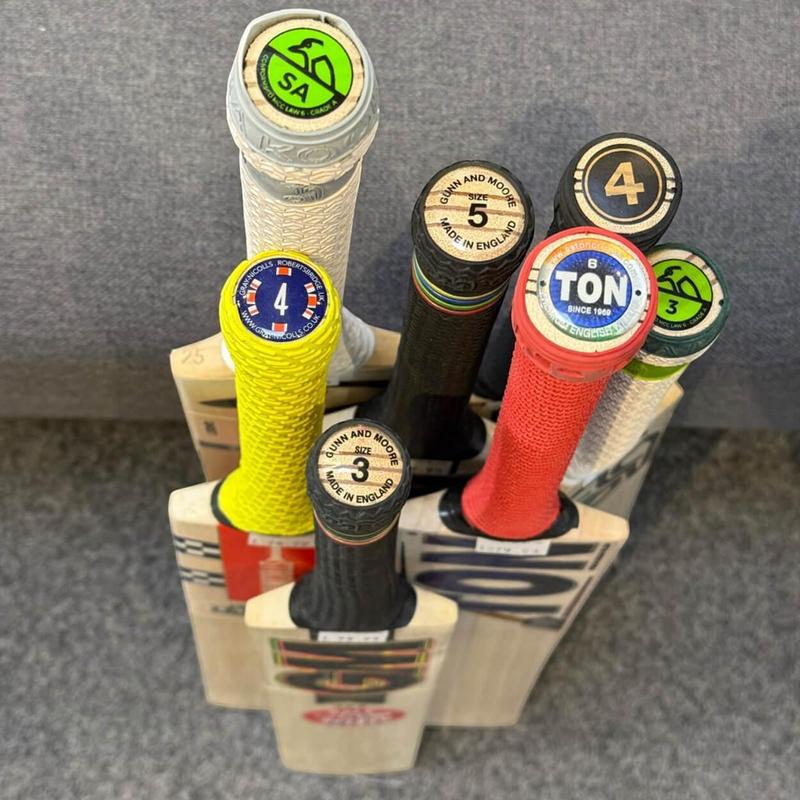
This is the question we answer more than any other. The single most important rule: always size a bat by height, not age. Children of the same age can differ by four or five inches in height, and the wrong bat size is the biggest mistake parents make. A bat that is too large creates poor technique habits that take years to undo.
The quick test: stand the bat upright next to your child. The top of the handle should reach their hip bone. If it reaches the waist or higher, it is too big.
| Bat size | Age (guide only) | Height | Notes |
|---|---|---|---|
| Size 0 | 4–5 yrs | Under 4ft / 122cm | Ideal for All Stars Cricket beginners |
| Size 1 | 5–6 yrs | 4ft–4ft 3in / 122–130cm | First proper bat for most young starters |
| Size 2 | 6–7 yrs | 4ft 3in–4ft 6in / 130–137cm | Most popular size for primary school age |
| Size 3 | 7–9 yrs | 4ft 6in–4ft 9in / 137–145cm | Moving into structured junior cricket |
| Size 4 | 9–11 yrs | 4ft 9in–4ft 11in / 145–150cm | Stepping up — start considering English willow |
| Size 5 | 10–12 yrs | 4ft 11in–5ft 2in / 150–157cm | Club junior cricket. Bat weight becomes important |
| Size 6 | 11–13 yrs | 5ft 2in–5ft 5in / 157–165cm | Pre-Harrow stage. Consider willow grade carefully |
| Harrow | 12–14 yrs | 5ft 5in–5ft 8in / 165–172cm | Transition bat bridging junior and adult sizes |
| Small adult (SH) | 14+ yrs | Over 5ft 8in / 172cm+ | Check strength and technique before upgrading |
⚠ Height over age — always. A tall 9-year-old may need a Size 5 while a smaller 9-year-old needs a Size 3. When between sizes, always go smaller — a slightly small bat is far less harmful than one that is too big. Bring your child into VKS in Ealing and we will measure them properly in under two minutes, at no charge.
Kashmir willow vs English willow: which junior bat should you buy?
Kashmir willow — perfect for beginners and younger juniors
Denser, harder, more affordable (£25–£70 for a junior bat), and robust enough for garden cricket, school sessions and early club play. Needs very little maintenance. For children under 10, or any child new to the game, Kashmir willow is our first recommendation every time.
Brands to look for: Kookaburra Kahuna, Gray-Nicolls GEM, GM, Infinity.
English willow — when they get serious
Once a junior is playing competitive hardball club cricket regularly — typically from age 9–10 — an English willow bat makes a real difference. Better feel, better ping, more responsive sweet spot. VKS stocks English willow junior bats from £60 upwards, and we will knock them in for you the same day you buy.
VKS honest advice on willow grade:
- Under 10: Kashmir willow. They will outgrow the bat in 12–18 months anyway.
- Ages 10+, playing club cricket regularly: English willow Grade 3 or 4 — better performance, sensible price.
- Grade 1 English willow: avoid for juniors unless they are in a county pathway. The premium is wasted on developing technique.
Junior cricket safety: the helmet is non-negotiable
Never compromise on the helmet. A cricket ball is hard and fast. A properly certified helmet is the most important safety purchase you will make for your child's cricket.
The ECB rule: what is legally required
The ECB mandates that all junior cricketers must wear a BSI-certified helmet with a neck guard when batting against pace bowling. The current standard is BS/PAS 068:2012. Always check the certification label inside the helmet. Never use an uncertified or damaged helmet.
How to fit a junior cricket helmet correctly
- Helmet sits level — not tilted back
- No more than two finger-widths between eyebrow and peak
- Grille sits approximately 1cm from the nose — not resting on it
- Helmet does not shift when your child shakes their head gently
- Replace any helmet that has taken a direct impact — the foam may be compromised even if it looks fine
What VKS stocks for junior helmets:
- Gray-Nicolls helmets: built-in neck guard — no separate purchase needed. Most popular junior choice at VKS.
- Masuri helmets: adjustable neck guard — great for growing children as you can replace just the guard.
- Shrey helmets: excellent ventilation, modern design — popular with older juniors.
All helmets in our junior range are BSI/PAS certified. Browse junior helmets at VKS →
Junior batting pads and gloves: what to look for
The most common mistake is buying adult-sized pads for a growing child — too heavy, restrict movement, and actually reduce safety because they fit badly.
Sizing junior batting pads
Measure from the centre of the kneecap down to the instep. Look for: lightweight construction, three velcro straps, good side bolster protection, ambidextrous design.
- Small Junior: ages 5–8, under 4ft 6in
- Medium Junior: ages 8–11, 4ft 6in–5ft
- Large Junior: ages 11–14, 5ft–5ft 5in
The VKS Superlite Junior Pads are our best-selling junior protection product — they weigh just 649g per pad, significantly lighter than most alternatives at the same price.
Sizing junior batting gloves
Measure from the start of the wrist to the tip of the middle finger. Look for: high-density foam on all fingers (especially top-hand knuckles), leather palms for grip, padded thumb protection.
VKS own-brand junior protection:
- VKS Superlite Junior Batting Pads — 649g, ambidextrous, best-seller
- VKS Superlite II Junior Batting Gloves — multi-section fingers, leather palm, fibre inserts
- Junior pad & glove sets — Kookaburra Kahuna, VKS Superlite, Infinity Platinum
How much does junior cricket kit cost? Honest budget guide 2026
| Item | Budget | Mid-range | Performance |
|---|---|---|---|
| Junior bat | £49.99 (Kashmir) | £50–90 (Eng willow Gr 3–4) | £90–150 (Gr 1–2) |
| Helmet | £35–50 | £55–80 | £80–120 |
| Batting pads | £20–35 | £35–60 | £60–100 |
| Batting gloves | £15–25 | £25–45 | £45–75 |
| Cricket shoes | £25–40 | £40–65 | £65–100 |
| Kit bag | £20–35 | £35–60 | £60–100 |
| Abdo guard | £4 | £5 | £12 |
VKS recommended budgets for 2026:
- Complete beginner (softball): £25–50 for a bat. Nothing else needed yet.
- First hardball kit: £120–180 covers a good bat, helmet, pads, gloves, box and bag.
- Committed junior club cricketer: £200–300 for English willow bat, quality helmet, full protection, shoes and bag.
- Academy-level junior: £300–500+ for premium English willow, top-tier protection and shoes.
Quick guide by age: what to buy and when
Cricket kit for a 5–7 year old
A Size 0 or Size 1 Kashmir willow bat — light, fun and easy to swing. Soft balls at this age mean no pads or helmet needed. Budget: £49.99. Browse junior bats at VKS →
Cricket kit for an 8–10 year old
First full hardball kit. Size 2–4 bat, Small or Medium Junior pads and gloves, BSI-certified helmet with neck guard, abdo guard. Kashmir willow is fine, or entry-level English willow if they are serious. Budget: £120–160.
Cricket kit for an 11–13 year old
Regular competitive club cricket. Size 5–6 bat — consider English willow Grade 3 or 4. Medium or Large Junior pads. Cricket shoes become important. Budget: £180–280. Shop all junior kit at VKS →
Cricket kit for a 14–16 year old
Transition from junior to adult. Harrow or Small Adult bat depending on height. English willow for serious players. Come in and we will check the sizing — some teenagers find adult pads and gloves too large. Budget: £200–400.
10 things every parent should know before buying junior cricket kit
- Size by height, not age. Height and strength are what matter. Always bring your child when buying.
- The helmet is the most important purchase. BSI-certified with neck guard is mandatory. Replace it after any direct impact.
- Too big is worse than too small. Oversized bats cause poor technique and fatigue. When in doubt, size down.
- Kashmir willow is absolutely fine for beginners. No need for English willow until they are committed and playing regularly.
- Check kit every season. Children grow fast. Redo the hip-height bat test every spring before the season starts.
- Talk to the club before you buy. Many clubs lend kit to beginners. Coaches can tell you exactly what the junior section requires.
- Cricket shoes matter more than parents expect. Trainers on wet grass are genuinely dangerous. Rubber-soled cricket shoes from £29.99.
- The abdo guard is non-negotiable for boys. Less than £5. Buy it before the first hardball session.
- Junior kit needs replacing every 1–2 seasons. Children grow — this is normal, not a product defect.
- Come in and get it fitted properly. Five minutes at VKS in Ealing means everything fits correctly. Our advice is always free.
Ready to kit your child out properly?
- Free in-store sizing and fitting — bats, pads, gloves, helmets, all ages
- Same-day bat knocking-in service available
- All major brands in stock: GM, Kookaburra, Gray-Nicolls, Masuri, Shrey, Infinity, SS Ton
- Junior sizes from Size 0 to Harrow, all skill levels and budgets
- 31 Bond Street, Ealing, London W5 5AS — Mon to Sat, 9am–6pm
Frequently asked questions
What cricket kit does a junior need to start playing?
For soft-ball cricket (ages 5–8), a correctly sized cricket bat is all that is needed, no protective gear is required. Once a junior moves into hardball cricket (typically from age 8–9), they need a bat, BSI-certified helmet with neck guard, batting pads, batting gloves, and an abdominal guard for male players. Cricket shoes and a kit bag become important for regular match play.
What size cricket bat does my child need?
Always size by height, not age. Stand the bat upright next to your child, the top of the handle should reach their hip bone. Size 0: under 4ft. Size 1: 4ft–4ft 3in. Size 2: 4ft 3in–4ft 6in. Size 3: 4ft 6in–4ft 9in. Size 4: 4ft 9in–4ft 11in. Size 5: 4ft 11in–5ft 2in. Size 6: 5ft 2in–5ft 5in. Harrow: 5ft 5in–5ft 8in. When between sizes, always go smaller.
How much does a junior cricket kit cost in the UK?
A basic junior starter kit, bat, helmet, pads, gloves and box, typically costs £120–£180. A mid-range kit for a committed junior club player runs to £180–£280. Budget junior bats start from around £25 for Kashmir willow. Never compromise on the helmet regardless of budget.
Is Kashmir willow or English willow better for a junior cricket bat?
For beginners and children under 10, Kashmir willow is the practical choice, more affordable (£25–70), more durable, and performs well for early club cricket. For juniors aged 10 and over playing competitive club cricket regularly, English willow provides better performance, feel and timing. There is no need for Grade 1 premium prices for a junior.
Does a junior need a helmet for cricket?
Yes, it is mandatory under ECB rules. All junior cricketers must wear a BSI-certified cricket helmet with a neck guard when batting against pace bowling. The current standard is BS/PAS 068:2012. Always check the certification label inside the helmet. Never use an uncertified or damaged helmet.
Can I buy adult cricket kit for my child to grow into?
No, this is a very common mistake. Adult pads, gloves and helmets are too heavy and too large for junior players. This restricts movement, creates poor batting technique, and can increase the risk of injury because the equipment does not fit correctly. Always buy properly sized junior equipment.
Where is the best place to buy junior cricket kit in London?
VKS on Bond Street in Ealing (London W5 5AS) is London's best specialist cricket store for junior kit, trading since 1973. We stock all major brands in every junior size, provide free in-store fitting, and offer a same-day bat knocking-in service. Open Monday to Saturday, 9am to 6pm. vks.com
Written by the VKS Cricket team
London's cricket specialists since 1973 | 31 Bond Street, Ealing W5 5AS | vks.com | 020 8579 3389